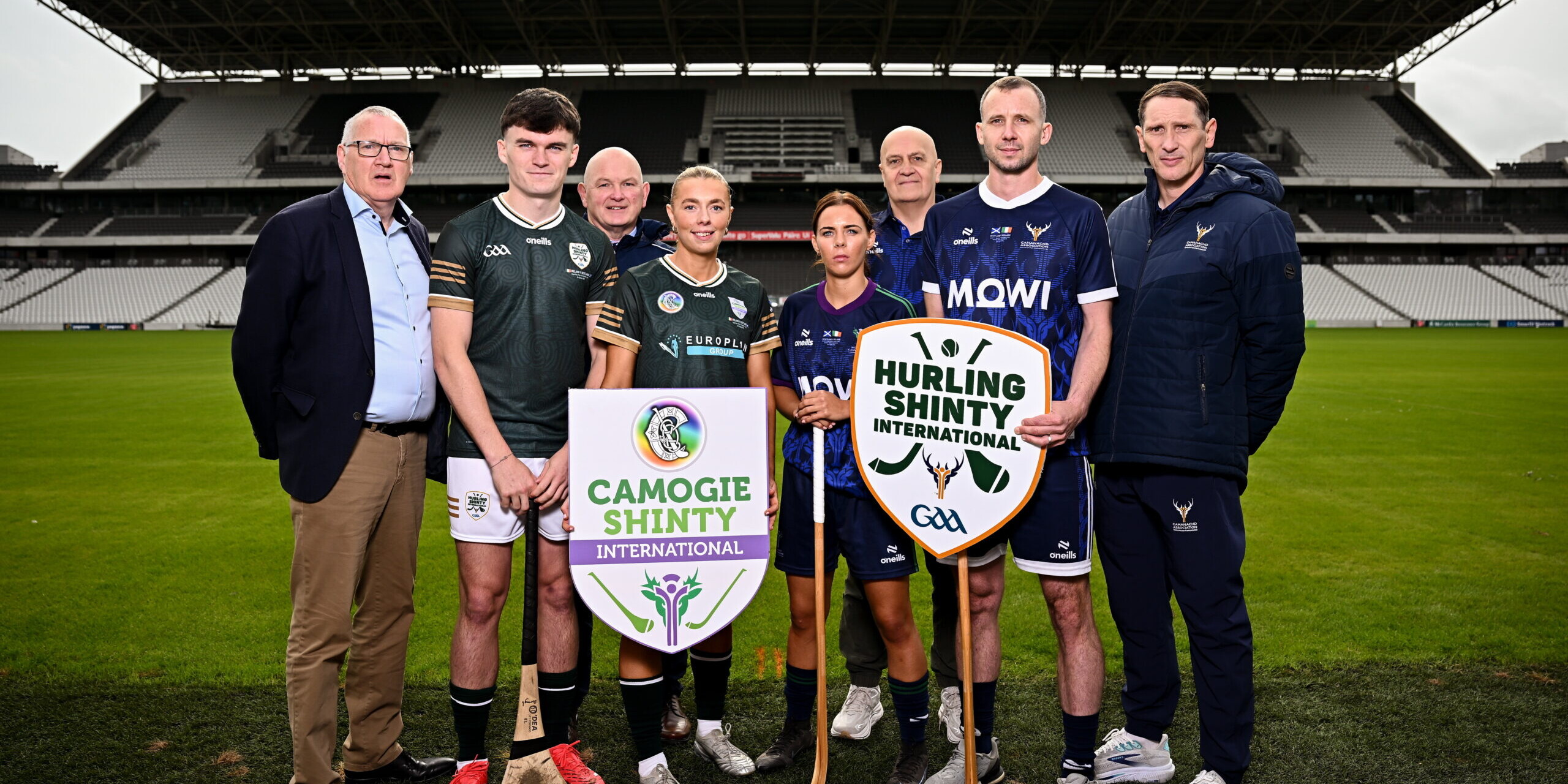


This Saturday at 14:30, Ballachulish and Oban Celtic meet at Cannich to contest the Cheiftain’s Cup Final.
This stat pack is brought to you thanks to support from:

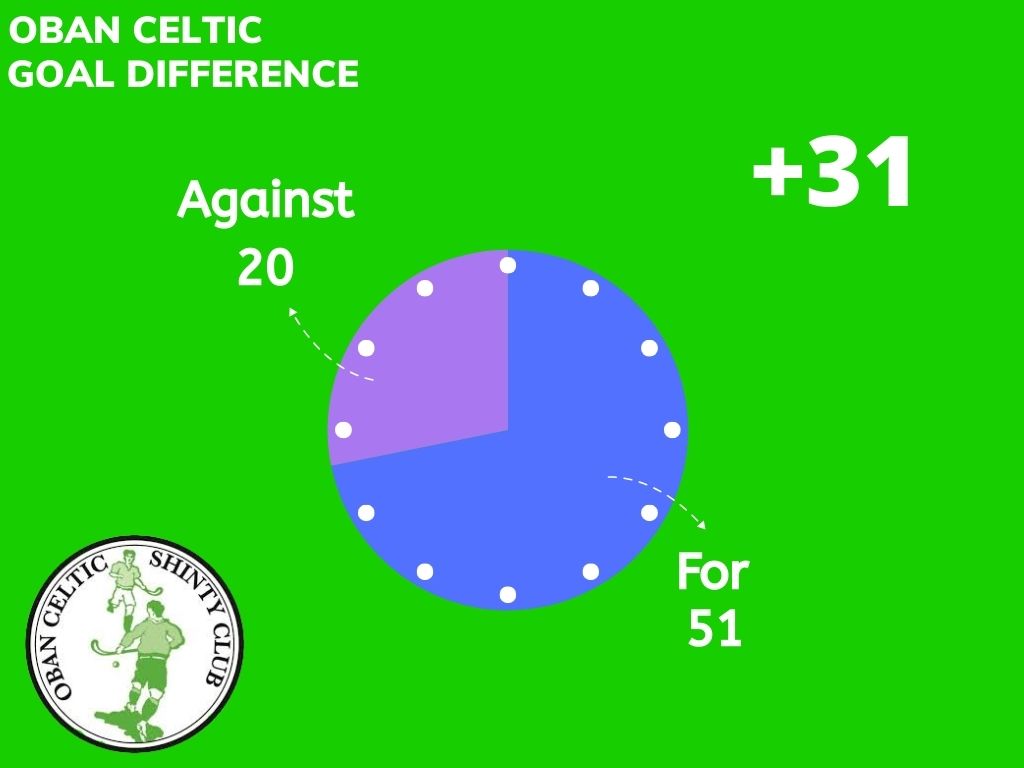
Oban Celtic have scored an average of 3.6 goals per game, while they are conceding 1.42 goals per game.
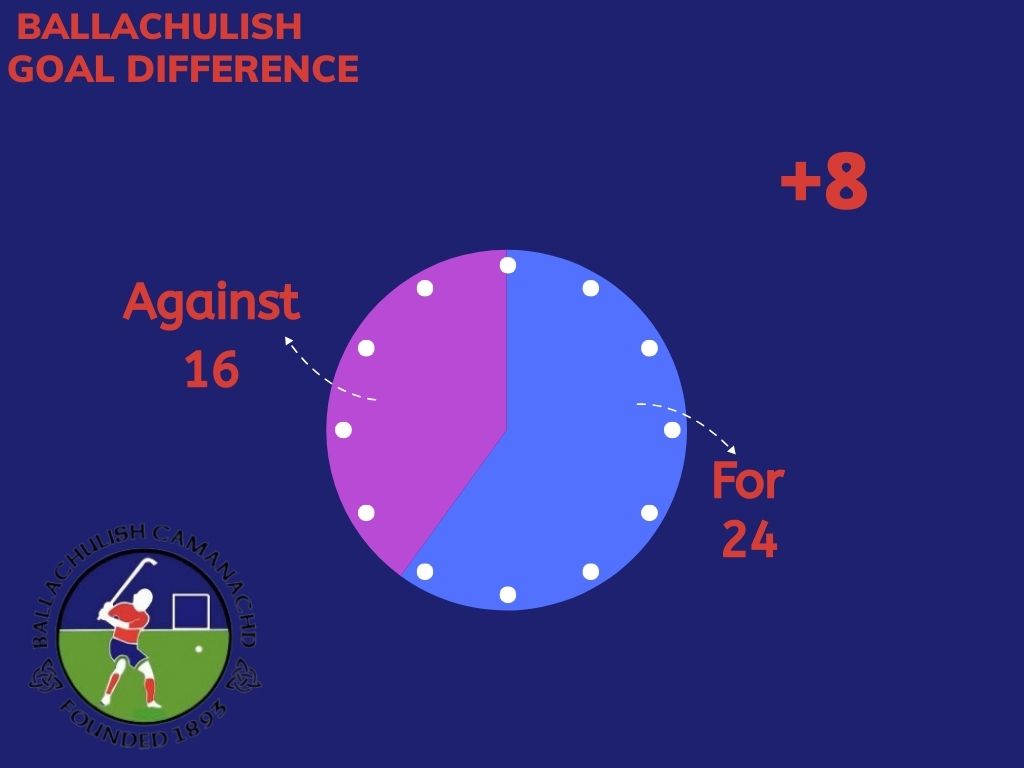
Ballachulish are scoring an average of 2.4 goals per game and conceding an average of 1.6 goals per game.
Building pressure
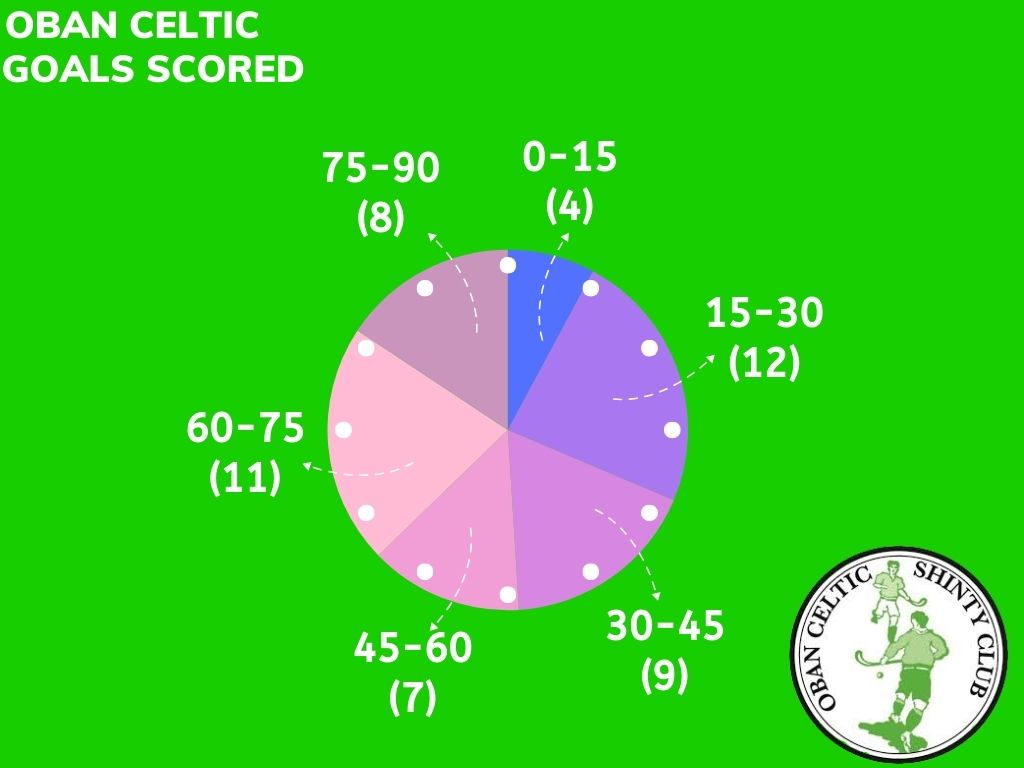
Celtic have been most potent between the 15th and 30th minute, netting 12 goals in that spell—three times their return in the opening quarter-hour (4). This suggests a side that often needs a brief settling period before finding fluency. Their scoring then holds steady into the half, adding 9 more before the interval.
The restart sees a modest drop, with 7 goals scored between the 45th and 60th minute, perhaps reflecting the time it takes to rebuild momentum after the break. Yet as matches wear on, Celtic’s threat rises again: 11 goals arrive between the 60th and 75th minute, hinting at renewed energy or effective use of substitutions. The final quarter-hour yields 8 more, evidence they remain dangerous late on.
Looking across their fixtures, Oban Celtic’s biggest hauls came in dominant home wins: a 10–0 victory over Ardnamurchan and a 6–0 triumph over the same side earlier in the season. Against stronger opposition, goals have been harder to come by — Inveraray and Lochaber each limited Celtic to fewer than two goals.
Altogether, the data points to a team who build into games, strike hardest just after the midway point of the first half, and rally strongly in the closing stages. Whether they can replicate this pattern against Ballachulish—a side who shut them out in week one—could prove decisive at Cannich.
Focus from start
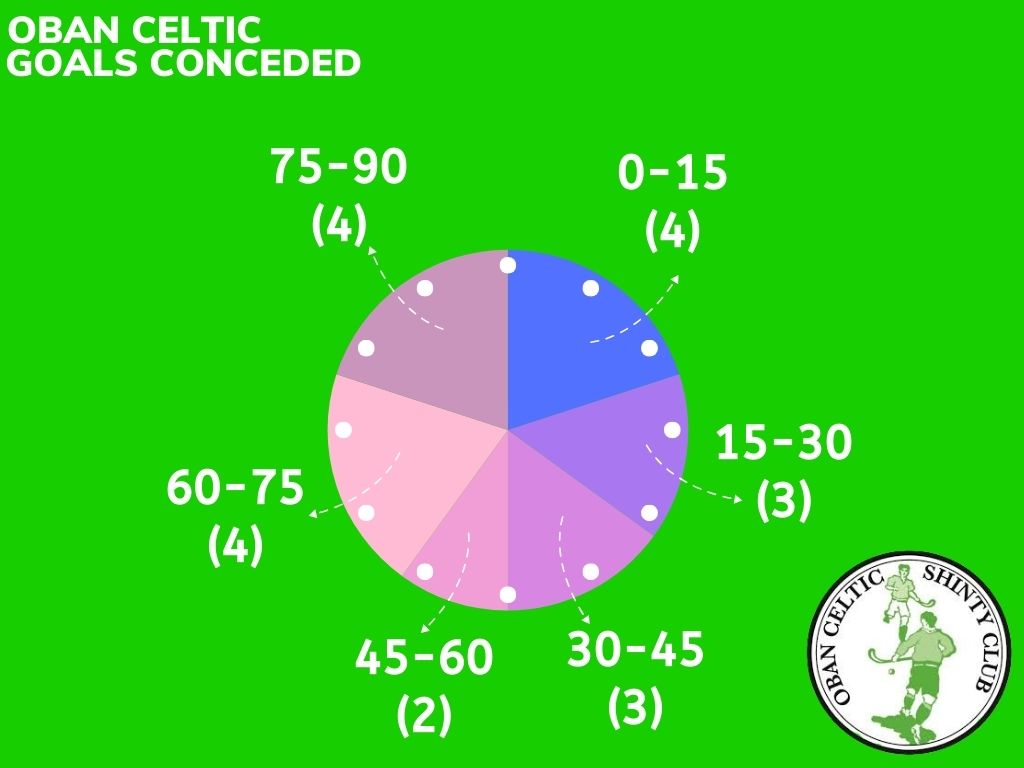
Celtic have conceded most frequently in the opening and closing phases of matches: four goals in the first 15 minutes and another four in each of the final two quarters of an hour. This pattern suggests occasional lapses in concentration at the start, and fatigue or pressure taking a toll late on.
By contrast, the middle of games has seen greater solidity. Only three goals were conceded between the 15th and 30th minute, and again between the 30th and 45th. Just two goals were shipped in the 15 minutes after half-time—Celtic’s strongest spell defensively—perhaps pointing to effective adjustments made during the break.
What does that mean for Saturday? Celtic will be hoping for a repeat of the opening day of the season where they kept a clean sheet and put three past Balla.
Early strikes important
Ballachulish head into Saturday’s Chieftain’s Cup final with a scoring pattern that reveals a side quick off the mark but also capable of striking throughout the game.
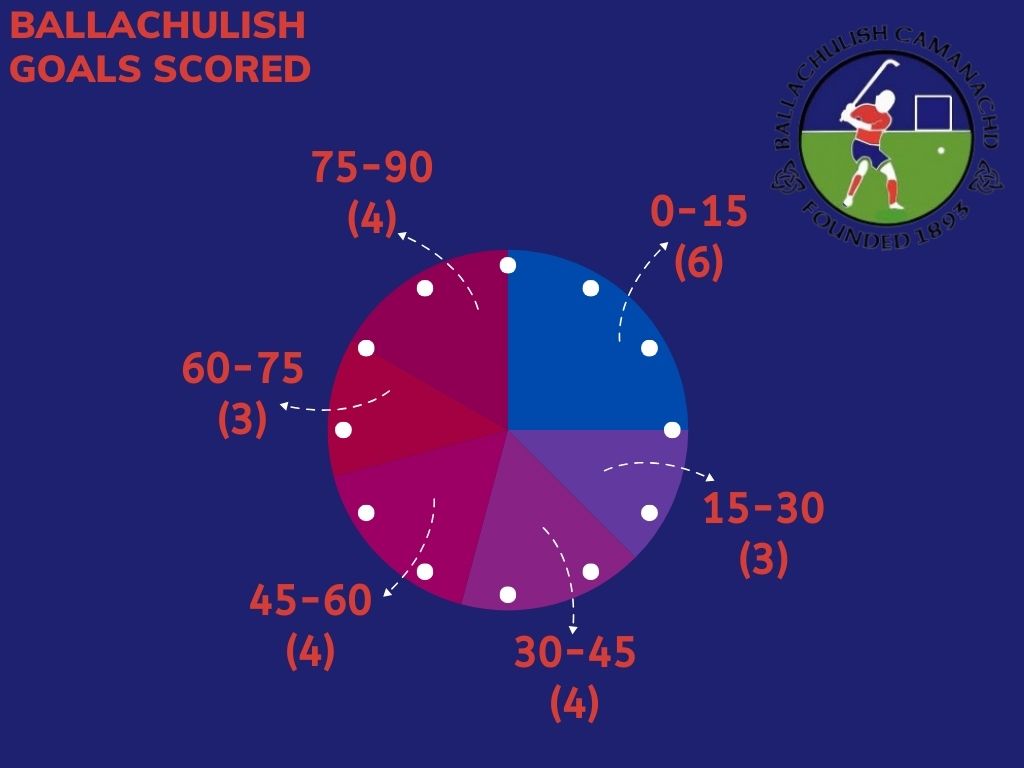
Their strongest spell comes right at the start: six goals scored in the opening 15 minutes— almost double their return in any other quarter-hour. This points to a team that looks to seize the initiative early, perhaps unsettling opponents before they can relax into the the game.
After that bright start, their scoring evens out: three to four goals in each subsequent interval, showing no glaring drop-off but also no distinct midgame surge. Notably, Ballachulish remain a threat deep into matches, scoring four times in the final quarter-hour.
In terms of fixtures, Ballachulish have balanced narrow wins—like 1–0 over Aberdour—with higher-scoring affairs, including a 4–0 home victory over Glasgow Mid Argyll. The early-season 0–3 defeat to Oban Celtic remains their most decisive setback and one they will have to banish from their minds ahead of Saturday's game.
Wearing down?
Ballachulish’s defensive record shows a side generally composed at the start, yet more vulnerable as matches wear on.
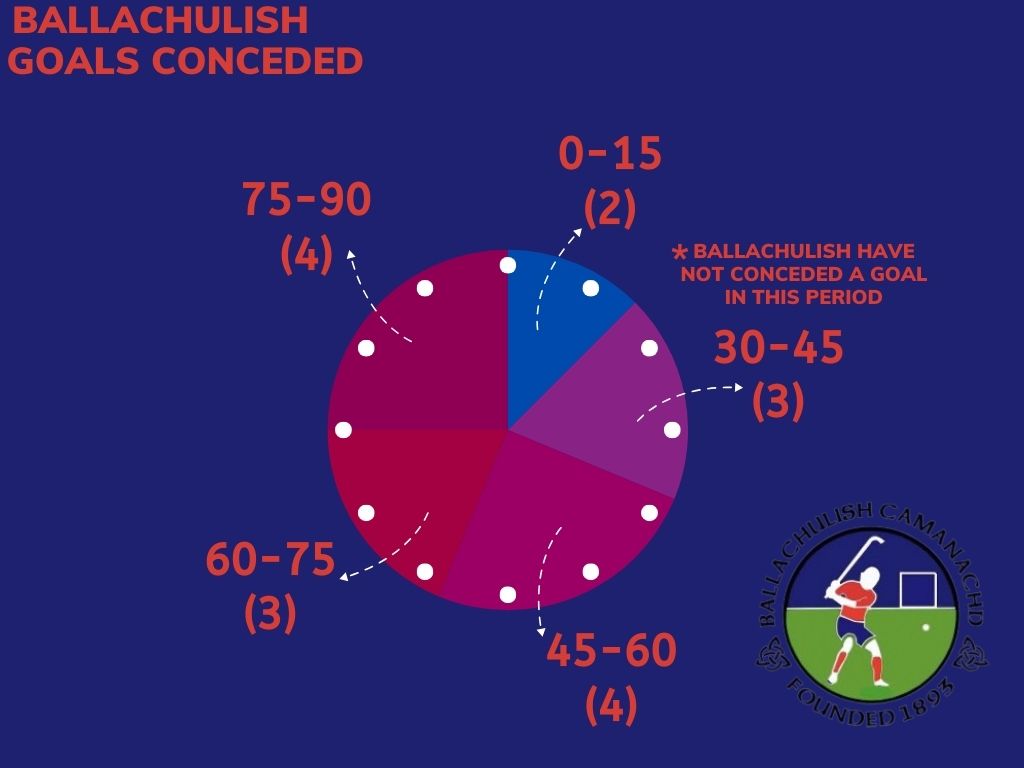
They conceded only twice in the opening 15 minutes, and none at all between the 15th and 30th minute—a sign of strong early organisation and discipline.
However, cracks begin to appear approaching half-time, with three goals conceded between the 30th and 45th minute. The spell immediately after the interval proves trickiest: four goals shipped between the 45th and 60th minute, matching their total for the closing quarter-hour.
Altogether, the data suggests Ballachulish defend solidly from the outset but can be vulnerable either side of the break and again late on—moments when fatigue, concentration lapses, or tactical reshuffles may play a part. Keeping shape in these periods will be key to containing Oban Celtic at Cannich.
Quarter-Century Kyle
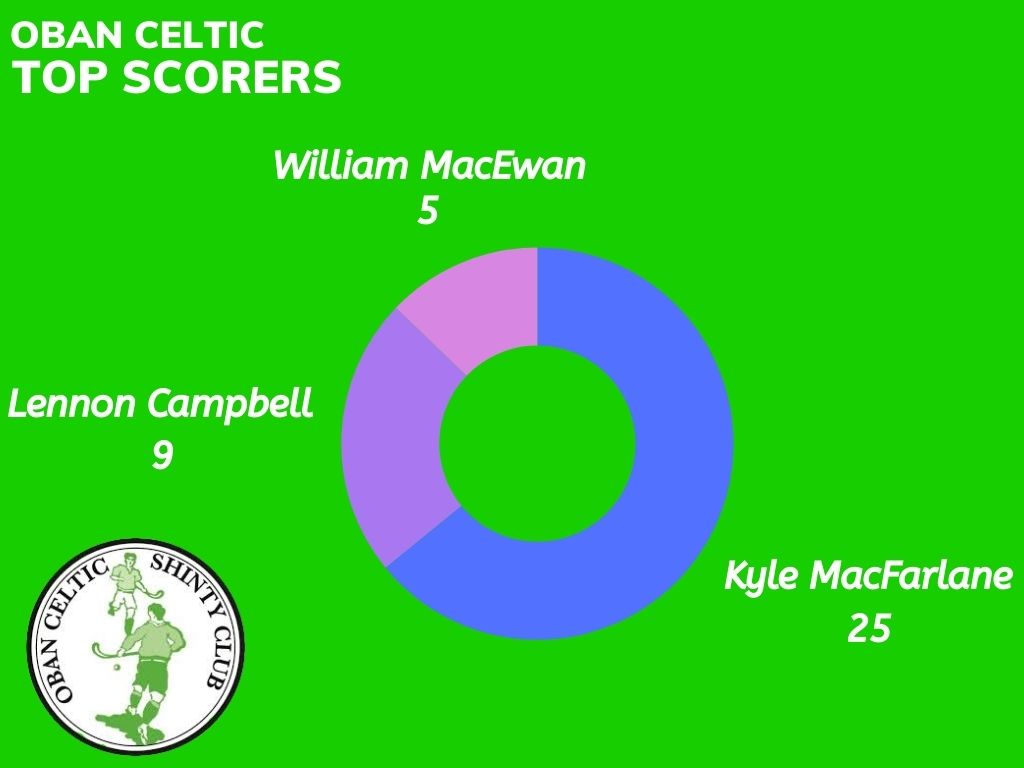
Kyle MacFarlane has hit an eye watering 25 goals this season accounting for just under half of his teams total. Lennon Campbell also nearly touching double figures, meaning that while MacFarlane will be the main threat, goals can come from elsewhere.
Pat delivers
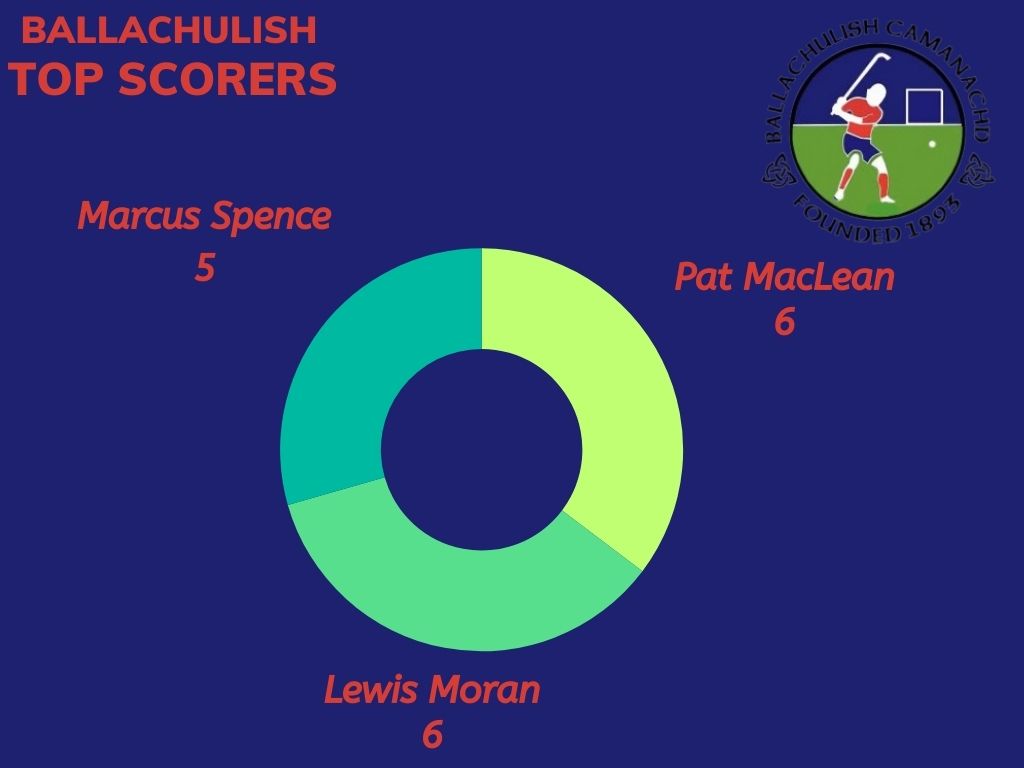
Pat MacLean is the leading scorer for Ballachulish but unlike Celtic - the goalscorers for the Jubilee outfit are all bunched quite closely together with Lewis Moran and Marcus Spence both offering similar threat.
In the balance...
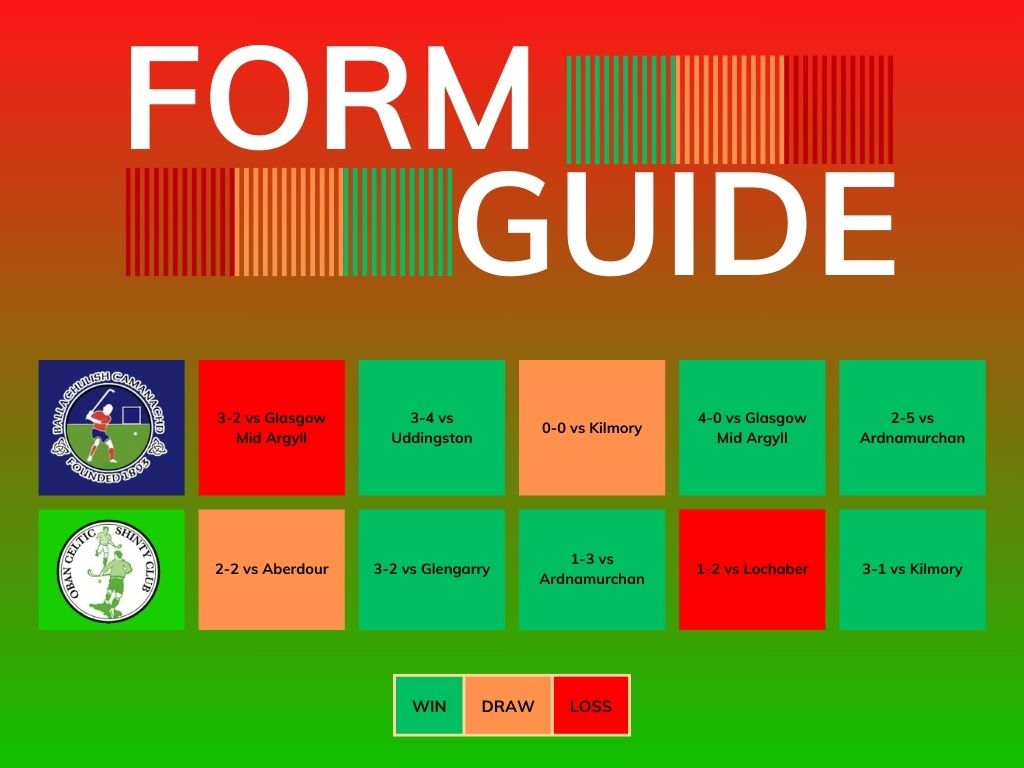
Despite the disparity in the league between Ballachulish and Oban Celtic, the form table over the last 5 games is remarkably similar, 3 wins, 1 draw, 1 loss.
Both teams suffered unideal results in their most recent game, however, the upcoming final will provide a chance to rectify that.
Oban Celtic Road to the Final
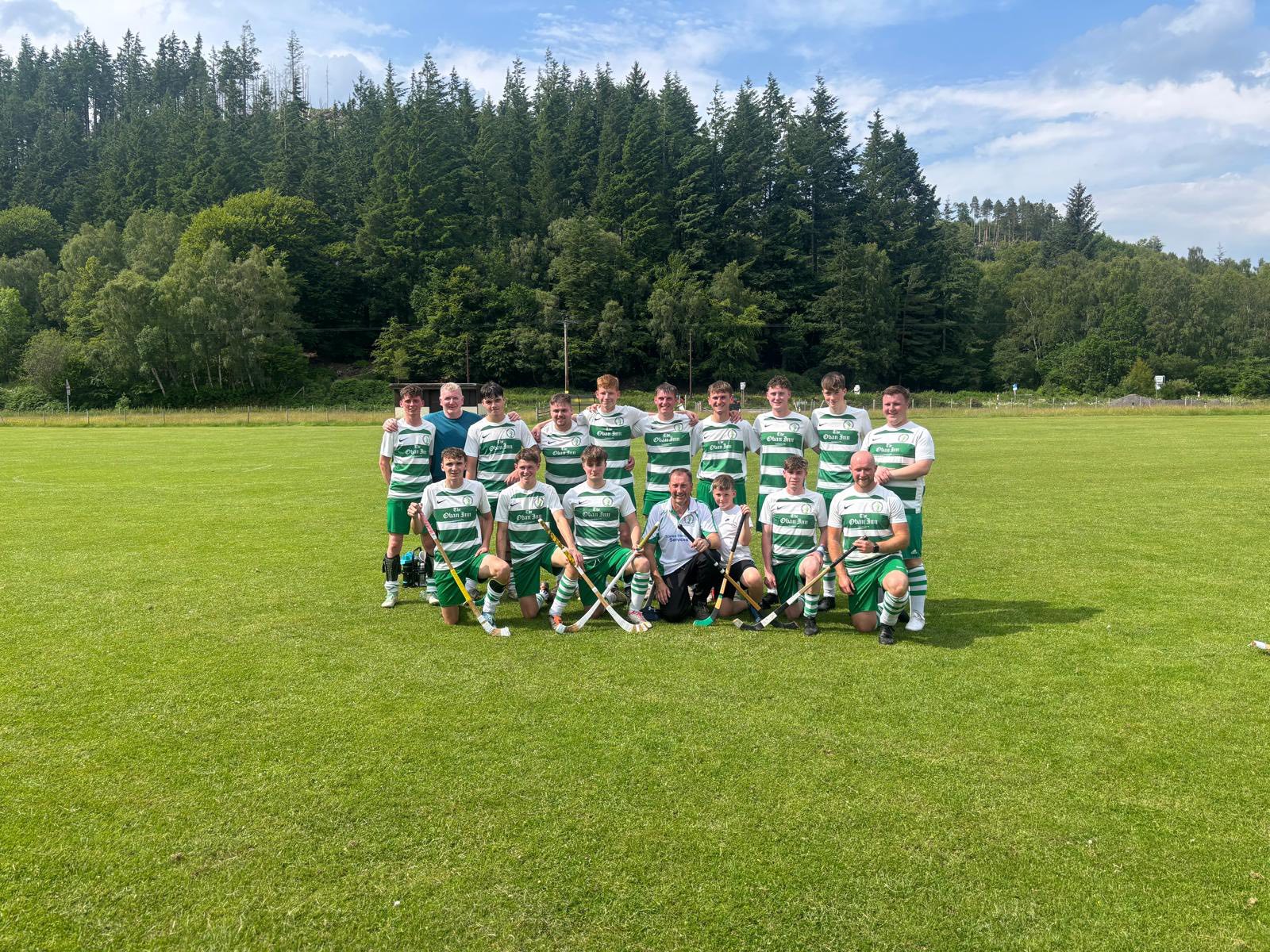
3-1 vs Kilmory
3-2 vs Glengarry
Ballachulish Road to the Final
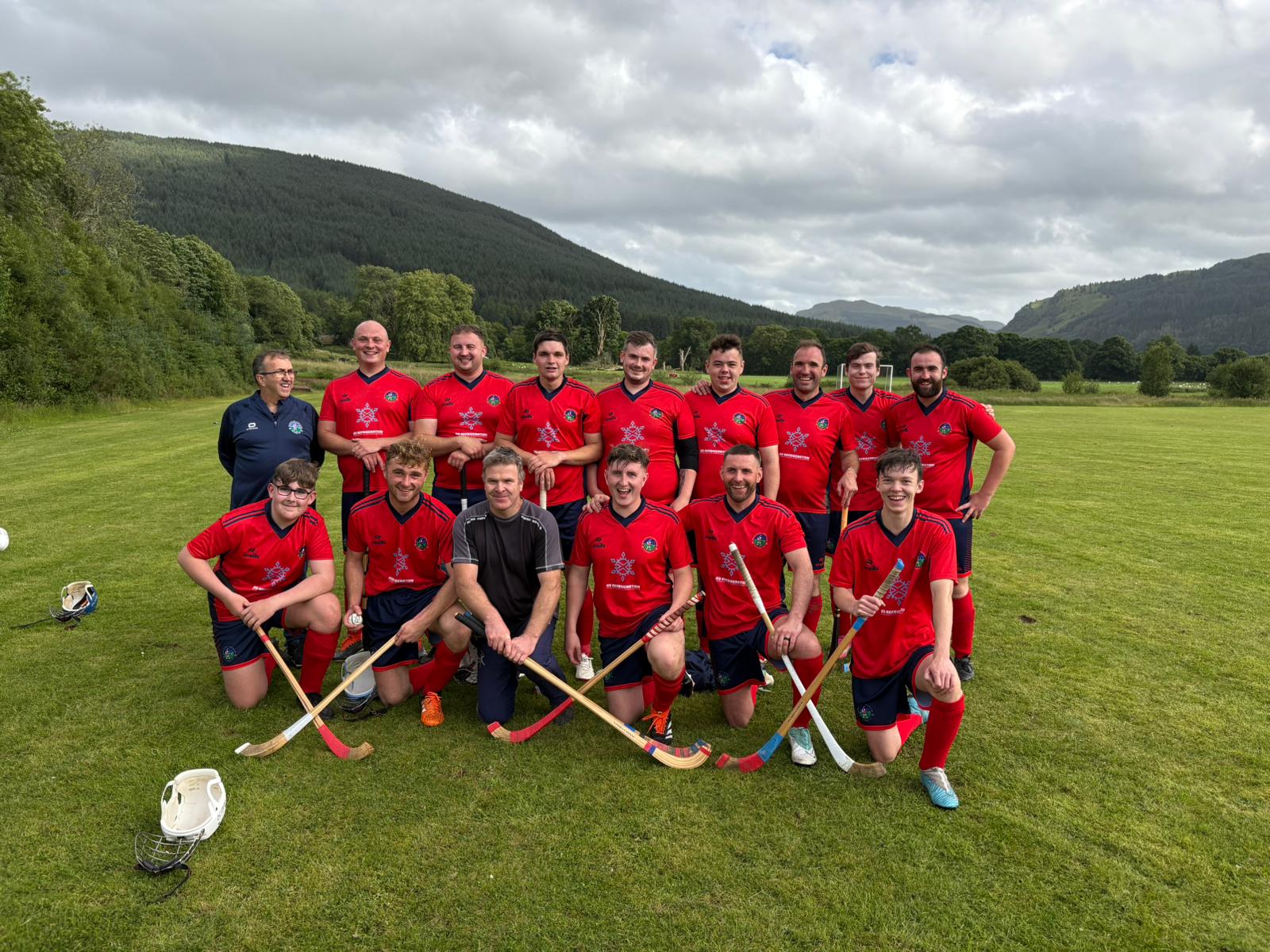
2-6 vs English Shinty Association
3-4 vs Uddingston
Oban Celtic Top SCorer
Kyle MacFarlane
“The Cheiftain’s Cup final feels massive for the club this year because it is giving the club a chance to win a trophy for the first time in years and it is helping us get the club back to where we want to be.
Preparations have been going well with the squad because the mood around the club has been on a high with how the season has gone so far”
Ballachulish Captain
David Wilson
“It’s a fantastic feeling to reach the final. Having being knocked out in the semi-final the past two seasons it’s great to have made it one step further in the competition this year. There’s a lot of pride being able to captain the club this season and to make it to a final is very special for me.”
Camanachd Association President
Burton Morrison
“This year’s finalists, Oban Celtic and Ballachulish, are two of the oldest teams in the game, featuring prominently in the records of trophy winners in the past. It is great to see them both make their first appearance in a national final in many years, and I offer my warmest congratulations to both squads for their achievement. Their presence here is a testament to the commitment, community spirit, and the hard work of the volunteers that make our sport happen.”